
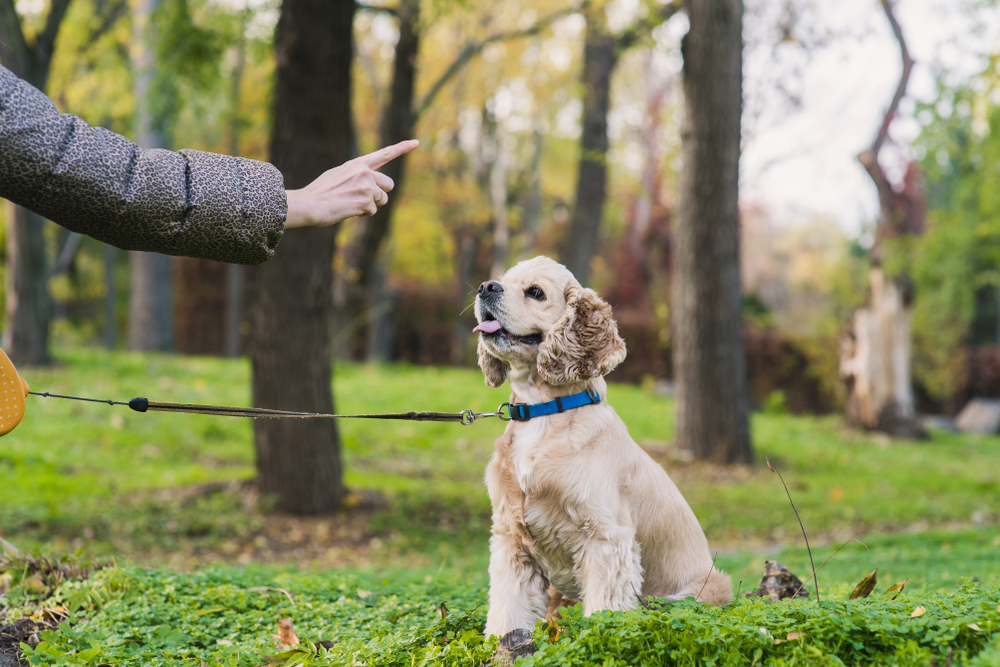
Walking your dog should be an enjoyable experience, not a daily struggle. Effective leash pulling training helps dogs learn polite walking habits while creating better communication between pets and their owners. When a dog constantly pulls, lunges, or drags ahead, it can turn a simple walk into a stressful routine for everyone involved.
At Rob’s Dog Training, training focuses on helping dogs and owners develop trust, confidence, and clear communication. A successful walking routine is not just about stopping unwanted behavior, it is about teaching dogs what to do instead.
Many owners assume leash pulling is a sign of stubbornness, but the behavior often comes from excitement, lack of guidance, fear, or a dog simply not understanding expectations. With the right approach, dogs of different ages and temperaments can learn to walk calmly.
Every walk is also a learning opportunity. Dogs are constantly observing their surroundings and responding to the choices they make during those moments. Teaching calm leash behavior early can prevent small habits from becoming long-term challenges.
- Why Dogs Pull on the Leash
- How Leash Pulling Training Creates Better Communication
- Common Leash Training Mistakes to Avoid
- The Benefits of Professional Dog Training
- Leash Pulling Training Tips Owners Can Practice
- Building a Long-Term Relationship Through Training
- Begin Your Journey Toward Better Walks
Why Dogs Pull on the Leash
Before solving leash pulling, it helps to understand why it happens. Dogs naturally explore the world through movement and their senses. New smells, people, animals, and environments can easily create excitement.
Common reasons dogs pull include:
- Excitement when going outside
- Wanting to reach interesting sights or smells
- Lack of leash manners training
- Excess energy
- Fear or anxiety in certain environments
- Inconsistent walking rules
A dog that pulls is usually responding to something rewarding. If pulling gets them closer to what they want, they learn that pulling works.
This is why effective training focuses on changing the dog’s response and rewarding calm behavior. Instead of fighting against the leash, owners learn how to guide their dogs toward better choices.
How Leash Pulling Training Creates Better Communication
Successful leash training is built around communication. Dogs do not automatically understand that a tight leash means they should slow down. They need consistent feedback and clear expectations.
A professional dog trainer helps owners learn:
- Timing
Rewarding good behavior at the right moment helps dogs understand what actions lead to positive outcomes. - Consistency
Dogs learn faster when rules stay the same during every walk. - Confidence-building
Calm walking improves a dog’s focus and reduces frustration. - Positive reinforcement
Encouraging desired behavior creates stronger habits over time.
The goal is not simply having a dog that does not pull. The goal is having a dog that chooses to stay connected with its handler.
Common Leash Training Mistakes to Avoid
Many owners try different methods but become frustrated when results do not last. Often, the issue is not the dog, it is that the training approach is unclear or inconsistent.
Some common mistakes include:
Waiting Until the Dog Is Already Pulling
Many owners react only after the leash becomes tight. Training works better when owners notice early signs of excitement and redirect before pulling becomes a habit.
Using Too Much Physical Correction
Constantly pulling back on the leash can create frustration and may increase tension during walks. Dogs need guidance, not just restrictions.
Expecting Immediate Results
Leash manners take practice. Dogs are learning a new behavior pattern, and repetition helps create reliable habits.
Ignoring the Environment
A dog may walk perfectly at home but struggle in busy areas. Training should gradually introduce distractions so dogs can build confidence.
The Benefits of Professional Dog Training
Every dog is different. Breed, personality, previous experiences, and energy levels all influence how a dog responds to training.
Professional training can help owners create a structured plan based on their dog’s needs. Instead of using a one-size-fits-all method, trainers can identify what motivates each dog and build skills step by step.
Rob’s Dog Training helps families improve everyday life by focusing on practical obedience skills, better behavior, and stronger relationships between dogs and their owners.
Beyond walking skills, training can support:
- Improved focus
- Better impulse control
- Reduced frustration
- Increased confidence
- Safer outdoor experiences
A well-trained dog is easier to manage and more comfortable navigating different situations.
Leash Pulling Training Tips Owners Can Practice
While professional guidance can speed up progress, daily practice at home plays an important role.
Try these simple habits:
Keep walks structured
A walk should have moments for exploration and moments for practicing good behavior.
Reward attention
When your dog checks in with you or walks calmly, reinforce that behavior.
Practice in different locations
Dogs need to learn that good leash behavior applies everywhere, not just in quiet areas.
Stay patient
Calm leadership helps dogs understand what is expected.
Small improvements add up. A few minutes of consistent practice each day can create noticeable changes over time. Owners who stay involved in the process often see improvements not only during walks but also in overall obedience and daily behavior.
Building a Long-Term Relationship Through Training
Dog training is about more than commands. It is about creating a relationship where dogs understand their owners and owners understand their dogs.
Leash pulling often reflects a communication gap. When owners learn how to guide their dogs effectively, walks become opportunities for connection instead of conflict.
Training also helps owners recognize their dog’s body language, energy levels, and emotional responses. These skills make everyday interactions smoother and more rewarding.
A calm walk is not achieved by controlling a dog’s personality, it comes from teaching skills that allow dogs to succeed.
Begin Your Journey Toward Better Walks
If your dog pulls, rushes ahead, or makes walks difficult, the right training approach can make a major difference. Leash pulling training gives dogs the tools they need to walk politely while helping owners feel more confident handling their pets during everyday activities and outdoor adventures.
Rob’s Dog Training provides personalized training support designed around each dog’s behavior, goals, and lifestyle. With patience, consistency, and expert guidance, better walks are possible while creating a stronger bond between dogs and their families.
Learn more about dog training solutions and start building a stronger connection with your dog today at robsdogs.