
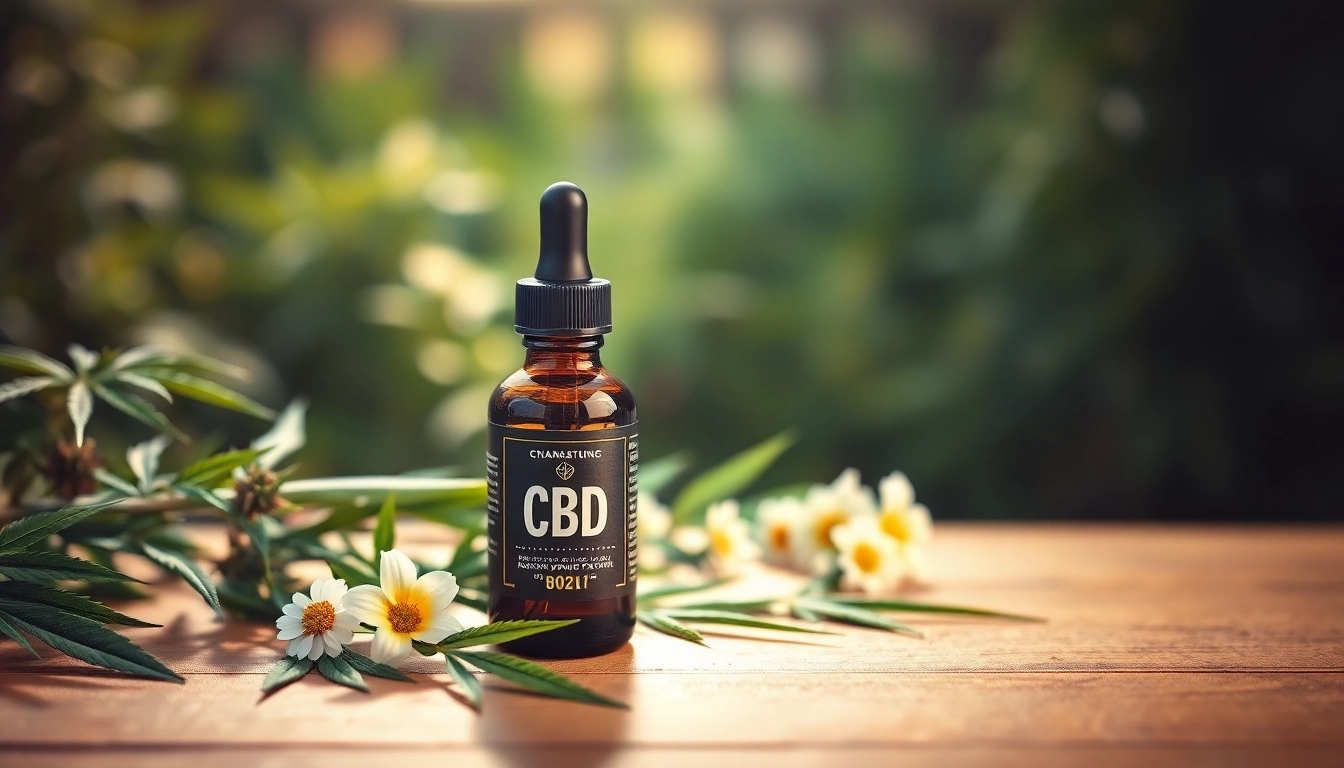
Introduction to CBD Oil
In recent years, CBD Oil has gained significant attention for its potential health benefits and therapeutic properties. Derived from the cannabis plant, CBD Oil is a phytocannabinoid, meaning it interacts with the endocannabinoid system in the human body. This system plays a crucial role in regulating various physiological processes, and CBD Oil is becoming increasingly popular as a natural remedy for a multitude of conditions. Let's delve deeper into understanding what CBD Oil is, how it is made, and the legal aspects surrounding its use.
What is CBD Oil?
CBD, short for cannabidiol, is one of over a hundred cannabinoids found in cannabis plants. Unlike THC (tetrahydrocannabinol), another well-known cannabinoid, CBD does not produce a psychoactive effect. This makes it an appealing option for those seeking relief from various ailments without the "high" associated with marijuana. CBD Oil can be obtained from both hemp and cannabis plants, with hemp typically being preferred due to its lower THC concentration.
How is CBD Oil Made?
The production of CBD Oil involves several steps that ensure purity and efficacy. Here’s a breakdown of the typical process:
- Extraction: The most common methods of extracting CBD from the cannabis plant are CO2 extraction, alcohol extraction, and oil extraction. CO2 extraction is preferred for its ability to produce a clean and potent product.
- Filtration: After extraction, the oil is filtered to remove any impurities, ensuring that the final product is both safe and effective.
- Decarboxylation: This is a crucial step where the raw plant material is heated to activate the cannabinoids. This process is what differentiates raw CBD oil from its activated counterparts.
- Formulation: Finally, the extracted and processed oil can be mixed with carrier oils, such as MCT oil, to facilitate better absorption in the body.
Legal Aspects of CBD Oil
The legal status of CBD Oil varies by country and, in some cases, by state. In many regions, CBD derived from hemp containing less than 0.3% THC is legal, whereas cannabis-derived CBD with higher THC levels may not be legal or may require a prescription. It's essential for consumers to stay informed about local regulations and to source their products from reputable suppliers that provide lab test results. As legislation evolves, discussions on the standardization of CBD products are ongoing, adding another layer of complexity to the landscape.
Health Benefits of CBD Oil
The interest in CBD Oil largely stems from its potential health benefits. Research is ongoing, but several areas have shown promising results.
Pain Relief and Inflammation Control
One of the most well-documented uses of CBD Oil is its ability to alleviate pain and reduce inflammation. Studies suggest that CBD interacts with the endocannabinoid receptors in the brain and immune system, altering the pain perception pathways. A systematic review indicated that CBD can be effective in managing chronic pain from conditions such as arthritis, fibromyalgia, and multiple sclerosis. The anti-inflammatory properties of CBD Oil may also help with conditions like acne and neurodegenerative diseases by lowering inflammation and oxidative stress.
Anxiety and Stress Relief with CBD Oil
Many users turn to CBD Oil for its potential anxiolytic, or anxiety-reducing, properties. Research has shown that CBD may help mitigate the symptoms of various anxiety disorders, including generalized anxiety disorder (GAD), social anxiety disorder (SAD), and post-traumatic stress disorder (PTSD). A significant amount of anecdotal evidence and preliminary research suggests that CBD may help promote relaxation, improve mood, and enhance overall emotional well-being without the side effects associated with traditional anxiolytics.
Potential Neuroprotective Effects
Emerging research indicates that CBD Oil may have neuroprotective properties, making it a candidate for helping treat neurological disorders. Early studies have investigated its potential in managing epilepsy and multiple sclerosis. The FDA has even approved a CBD-based medication for certain rare forms of epilepsy. Further studies are underway to understand how CBD might play a role in conditions such as Alzheimer's and Parkinson's disease. The focus is largely on CBD’s ability to reduce inflammation, promote cell survival, and improve brain function.
CBD Oil Usage Guidelines
For those considering integrating CBD Oil into their wellness routine, understanding how to use it effectively is essential.
Determining the Right Dosage
Dosage can vary significantly based on several factors, including the individual's body weight, metabolism, the condition being treated, and the concentration of CBD in the product. It is generally recommended to start with a low dosage and gradually increase until the desired effects are achieved. Consulting with a healthcare professional can also provide personalized dosing guidance, particularly for those with underlying health conditions or who are taking other medications.
Methods of Consumption
CBD Oil can be consumed in various ways, each with different absorption rates and effects. The most common methods include:
- Sublingual Tinctures: Placing a few drops of CBD Oil under the tongue allows for quick absorption into the bloodstream.
- Edibles: CBD-infused gummies or foods provide a convenient way to consume CBD, though they may take longer to produce effects.
- Topicals: Creams or balms containing CBD are applied directly to the skin, offering localized relief for conditions like inflammation or skin irritation.
- Vaping: Inhaling CBD vapor provides rapid effects but may pose health risks associated with inhalation.
Possible Side Effects and Precautions
While CBD Oil is generally considered safe, some users may experience side effects, including fatigue, diarrhea, and changes in appetite. It's essential to remain mindful of how your body responds, particularly when trying CBD for the first time. Additionally, CBD can interact with certain medications, so consulting with a healthcare provider before starting a CBD regimen is strongly advised.
CBD Oil in Daily Life
Incorporating CBD Oil into your daily lifestyle can enhance overall well-being when done thoughtfully.
Incorporating CBD Oil into Your Routine
Creating a routine that includes CBD Oil can help to establish consistent use. Consider taking CBD Oil at the same time each day to develop a habit. It may also be helpful to keep a journal to track the effects of CBD on your mood, pain levels, and any other relevant metrics. Over time, this can aid in determining the effectiveness of the oil and any adjustments needed to your dosage or consumption method.
CBD Oil for Fitness and Recovery
Athletes and fitness enthusiasts are increasingly turning to CBD Oil for its potential recovery benefits. Its anti-inflammatory properties can help reduce muscle soreness after intense workouts. Additionally, by promoting better sleep quality, CBD Oil can enhance recovery, allowing your body to repair itself more effectively. Some athletes incorporate CBD Oil into their post-workout routine to aid in recovery and maintain peak performance.
Using CBD Oil for Sleep Improvement
Many individuals suffer from sleep disturbances, and CBD Oil is emerging as a natural solution to improve sleep quality. Research suggests that CBD may help regulate sleep cycles and alleviate issues like insomnia. Users often report falling asleep faster and enjoying a deeper, more restful sleep. To use CBD Oil for sleep, it’s best to take it about 30-60 minutes before bedtime, adjusting the dosage as needed to find the optimal effect.
Conclusion and Future of CBD Oil
As research on CBD Oil continues to expand, its future looks promising. The potential benefits, coupled with an evolving legal framework, indicate that CBD Oil will play an increasingly vital role in wellness routines worldwide.
Emerging Research and Trends
New studies and clinical trials are uncovering more about the effects of CBD Oil, pushing the boundaries of our understanding of its full therapeutic potential. As scientists explore its efficacy for various health conditions, consumers can anticipate more refined and targeted products tailored to specific health issues.
Consumer Demand and Market Growth
The CBD market has seen significant growth and is expected to expand further as awareness of its benefits increases. Consumers are seeking natural alternatives to pharmaceuticals, and the demand for high-quality, responsibly sourced CBD products is driving innovation within the industry.
Final Thoughts on CBD Oil Benefits
The multifaceted benefits of CBD Oil highlight its potential as a key player in modern wellness practices. As always, individuals should educate themselves, consider their health conditions, and consult health professionals when exploring new health options. The journey into utilizing CBD Oil can lead to improved quality of life when approached with care and consideration.