
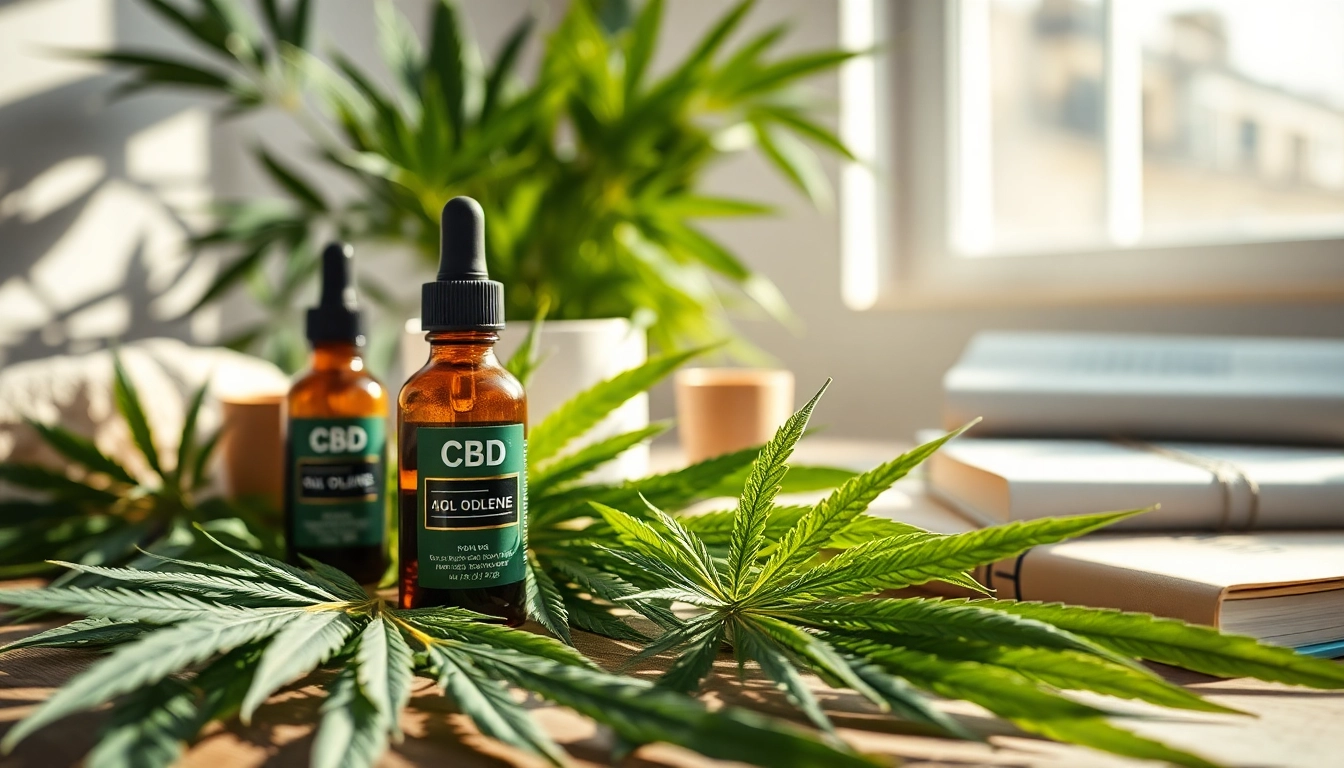
What is CBD and How Does it Work?
Defining CBD: The Science Behind Cannabidiol
Cannabidiol, or CBD, is a natural compound derived from the hemp plant. It is one of more than 113 identified cannabinoids in cannabis and accounts for a significant portion of the plant's extracts. Unlike its close relative, THC (tetrahydrocannabinol), CBD does not produce psychoactive effects. This lack of a "high" makes it an appealing option for many individuals seeking relief from various conditions without the intoxicating effects associated with THC.
The discovery of CBD in the 1940s laid the groundwork for its exploration in modern medicine. Its potential therapeutic properties have garnered significant interest, leading to extensive research aimed at understanding its mechanisms of action and benefits in healthcare.
Difference Between CBD and THC Explained
The primary distinction between CBD and THC lies in their effects on the human brain and body. While THC is known for its psychoactive properties—resulting in feelings of euphoria or the "high"—CBD does not produce these effects. This difference is largely attributed to the way each compound interacts with the endocannabinoid system (ECS), a complex network of receptors and neurotransmitters in the body that plays a critical role in regulating various physiological processes, including mood, appetite, and pain sensation.
THC binds directly to cannabinoid receptors in the brain, particularly CB1 receptors, which are associated with the euphoric effects. Conversely, CBD interacts indirectly with these receptors and modulates their activity, influencing the ECS's ability to maintain balance and homeostasis without leading to intoxication.
How CBD Interacts with the Endocannabinoid System
The endocannabinoid system is vital for maintaining optimal health. It consists of endocannabinoids produced by the body, cannabinoids from external sources (like cannabis), and receptors that facilitate communication throughout the body. When CBD is introduced, it behaves as a modulator by promoting the activity of the endocannabinoids, thereby enhancing their effects on homeostasis.
Research indicates that CBD may influence non-cannabinoid receptors as well, such as serotonin receptors, which play a significant role in regulating mood and anxiety, and vanilloid receptors, which contribute to pain sensation. This multipronged approach underscores CBD's potential as a therapeutic agent for various health conditions.
Potential Health Benefits of CBD
Managing Anxiety and Stress with CBD
Many individuals turn to CBD for its potential calming effects, particularly in managing anxiety and stress. Studies suggest that CBD may alter the brain's receptor responses to serotonin, a key neurotransmitter associated with mood regulation.
Clinical studies have shown significant improvement in anxiety levels among participants who consumed CBD before stressful events. From generalized anxiety disorder to panic attacks, CBD’s versatility as an anxiety management tool highlights its growing acceptance in mental health treatment approaches.
CBD’s Role in Pain Relief and Inflammation
Cannabidiol also displays potential in alleviating pain and inflammation. Research suggests that it may interact with neurotransmitters and the immune system to help reduce chronic pain conditions, including arthritis, fibromyalgia, and multiple sclerosis. In various animal studies, CBD increased pain relief and reduced inflammation, making it an appealing alternative to conventional pain medications.
Patients utilizing CBD oil or topical applications have reported significant decreases in pain levels, particularly when integrated with other treatment protocols. Understanding the optimal dosage and forms can enhance CBD's effectiveness in pain management.
Can CBD Enhance Sleep Quality?
Sleep disorders, including insomnia and disrupted sleep patterns, affect millions of people globally. Emerging evidence indicates that CBD may improve sleep quality by addressing issues that contribute to sleep disturbances, such as anxiety and chronic pain.
Users of CBD have reported falling asleep more quickly and experiencing deeper sleep cycles. A growing number of studies support these claims, signifying its potential as a natural sleep aid. However, further research is needed to determine the most effective dosages and forms for promoting sleep health.
Risks and Side Effects of CBD
Common Side Effects Associated with CBD Use
While CBD is generally considered safe, it may cause side effects in some users. Commonly reported effects include dry mouth, fatigue, dizziness, and changes in appetite or weight. It's essential for potential users to be aware of these possibilities and consult healthcare providers when making decisions about incorporating CBD into their routines.
Interactions with Other Medications
CBD can interact with certain prescription medications, potentially altering their effects. For example, CBD may inhibit the activity of liver enzymes responsible for metabolizing several drugs, necessitating close monitoring by healthcare professionals. Individuals taking medications for conditions such as epilepsy, anxiety, or pain management should discuss CBD's potential effects with their healthcare provider to ensure safety.
Considerations Before Starting CBD
Before starting any CBD regimen, several considerations should be addressed. Each individual's biochemistry, health status, and specific health goals may influence how CBD affects them. Additionally, determining the right dosage is crucial. It is generally recommended that new users start with a low dose and gradually increase until they find the most effective level for their needs.
Choosing the Right CBD Product
Types of CBD Products Available
The market offers a wide array of CBD products, including oils, tinctures, capsules, edibles, topicals, and vapes. Each form has its unique onset time, efficacy, and user experience. For instance, oils and tinctures are often fast-acting and may be easier to dose accurately, while edibles provide longer-lasting effects but take longer to metabolize.
Understanding the differences between full-spectrum, broad-spectrum, and isolate products is also vital. Full-spectrum products contain all cannabinoids and terpenes from the hemp plant, potentially enhancing the therapeutic effects via the entourage effect. Broad-spectrum products contain multiple cannabinoids but no THC, while isolates contain pure CBD.
How to Choose Quality CBD Products
The CBD market is burgeoning, and not all products are created equal. To ensure product quality and safety, consumers should look for third-party lab testing results, which verify the product's cannabinoid composition and screen for contaminants. Additionally, choosing products derived from organic hemp can provide reassurance regarding pesticide and heavy metal exposure.
Consumers should also consider the transparency and reputation of the brand, checking consumer reviews and any available customer service support before making a purchase.
Understanding Dosage: Finding What Works for You
Finding the right dosage of CBD can be a personal process, as individual responses can vary widely. Factors influencing dosage include body weight, metabolism, and the specific condition being treated. Starting with a low dose, such as 10-15 mg per day, and adjusting weekly based on individual response can be an effective approach. Tracking effects in a journal can help users pinpoint the most effective dosage consistently.
Future of CBD: Trends and Research
Emerging Research on CBD’s Therapeutic Potential
Research surrounding CBD continues to expand, with ongoing studies exploring its potential therapeutic roles in various health conditions beyond anxiety and pain. Emerging research is examining CBD’s effects on neurodegenerative diseases such as Alzheimer’s and Parkinson’s, cancer treatment adjuncts, and even potential use in treating substance abuse disorders. As regulatory frameworks evolve, more clinical trials are likely to deepen our understanding of CBD's efficacy and safety across diverse health applications.
Current Trends in CBD Usage
The increasing acceptance of CBD in both modern and traditional medicine has led to various trends, including the incorporation of CBD in wellness routines, beauty products, and fitness regimens. Influencers and celebrities are increasingly endorsing CBD for its perceived health benefits, contributing to its mainstream visibility. Moreover, educational resources on safe usage and benefits of CBD are being developed to empower consumers to make informed choices.
What the Future Holds for CBD Legislation
As the body of evidence supporting the therapeutic benefits of CBD grows, legislation surrounding its use and distribution is also evolving. Governments worldwide are grappling with how to regulate CBD, balancing potential benefits against risks and concerns. In regions where CBD use is already legal, ongoing discussions focus on quality control, safety standards, and consumer protections to ensure safe access to these products. The dialogue is likely to shape the future legal landscape, including possible expansions of research funding and public education initiatives about CBD’s potential.