
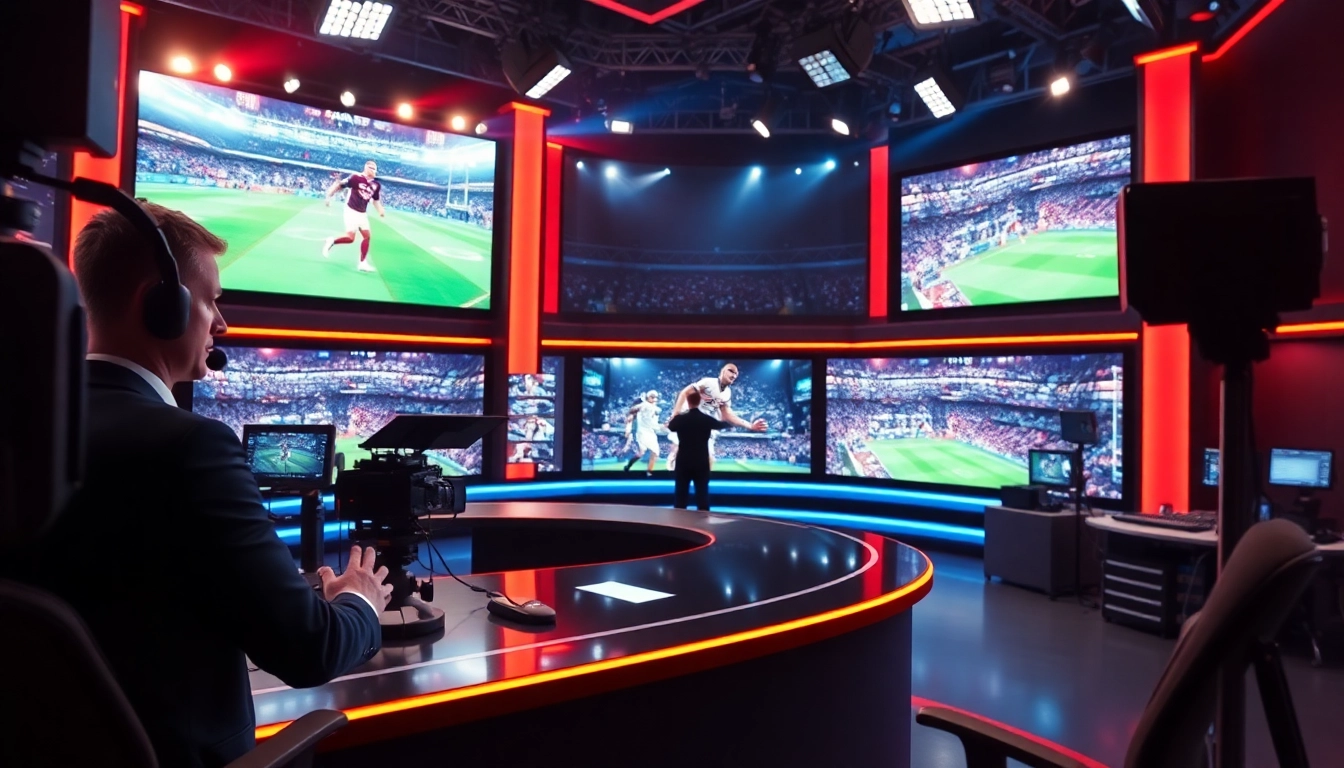
Introduction to Sports Broadcasting
Understanding Sports Broadcasting
Sports broadcasting is the dissemination of live audio or video coverage of sports events through various media platforms, including television, radio, and online streaming. This dynamic sector not only entertains millions of sports fans worldwide but also plays a significant role in shaping the sports industry, facilitating sponsorships, partnerships, and advertising. As a discipline, it encompasses numerous functions, from commentary and analysis to production and logistics, ensuring that audiences are engaged and informed throughout the sporting experience. For aspiring broadcasters and sports enthusiasts, gaining insight into the intricacies of Sports Broadcasting is essential to appreciate the art behind the scenes.
The Evolution of Sports Broadcasting
Sports broadcasting has undergone a remarkable evolution since its inception in the early 20th century. The first live sports broadcast was delivered via radio in 1921, changing the landscape of how sports were consumed by the public. With advancements in technology, television broadcasts became predominant in the 1950s and 1960s, allowing viewers to witness live action from their homes.
As technology continued to advance, cable television brought a broader array of sports content, while the advent of the internet and streaming platforms in the 21st century transformed the industry further. Today, sports broadcasting includes live streaming of events across various devices, allowing fans to engage with their favorite sports from anywhere at any time.
Why Sports Broadcasting Matters
The significance of sports broadcasting extends beyond mere entertainment. It serves as a powerful medium for showcasing athletic talent and fostering community engagement. Local, national, and international broadcasts promote sporting events, attracting sponsorship deals that support athletes and teams.
Moreover, sports broadcasting impacts social dynamics, as it creates shared experiences for communities and fans, leading to heightened emotional investment in teams and players. In a broader sense, it promotes sports culture and wellness, positively influencing public health by encouraging participation and viewership alike.
Essential Equipment for Sports Broadcasting
Cameras and Audio Gear
The backbone of any broadcast operation lies in the quality of its equipment. High-definition and 4K cameras are commonly used to capture clear visuals, providing stunning clarity to the most intricate details of an event. Various camera angles can enhance storytelling by offering dynamic perspectives of gameplay, including close-ups and wide shots.
In conjunction with visual equipment, quality audio gear is crucial. Microphones capture commentary, player interactions, and crowd reactions, ensuring that audiences can immerse themselves in the event. Headsets, mixers, and soundboards further boost audio clarity, allowing for seamless transitions between sound sources.
Broadcasting Software and Tools
Behind every successful broadcast, effective software plays a pivotal role in streamlining operations. Broadcasting software such as video encoders, live streaming platforms, and digital asset management systems facilitate real-time broadcasting and post-event editing.
Additionally, tools like replay systems and graphics generation software enhance viewer engagement by allowing broadcasters to showcase critical moments and statistics. By leveraging these tools, teams can create captivating broadcasts that resonate with audiences.
Lighting Techniques in Sports Broadcasting
Proper lighting is essential for delivering high-quality broadcasts. Natural sunlight is often utilized in outdoor events, but for indoor settings or night games, professional lighting rigs are necessary. Key, fill, and backlighting techniques create depth and dimension, enhancing the visual appeal of broadcasts.
Lighting not only illuminates players and elements within the arena but also sets the mood for the event. Understanding color temperature and tactical placement allows broadcasters to enhance the storytelling element and bring an atmosphere to the viewers.
Crafting Compelling Content in Sports Broadcasting
Developing Engaging Storylines
Compelling content stems from well-crafted narratives that captivate audiences. Broadcasters should focus on developing storylines that highlight players’ backgrounds, rivalries, and historical contexts. By intertwining personal narratives with live events, broadcasters can evoke emotional responses, building a deeper connection with the audience.
Utilizing interviews, expert analysis, and behind-the-scenes segments adds layers to the broadcast, allowing viewers to feel a sense of participation and investment in the unfolding narratives.
The Importance of Audience Interaction
In the age of social media, engaging with audiences is more critical than ever. Broadcasters must create opportunities for viewers to interact, whether through live polls, Q&A sessions, or social media integration. By encouraging audience participation, sports broadcasts can foster a sense of community among fans.
Moreover, understanding viewer preferences through analytics can guide content development, tailoring broadcasts to resonate with the target audience, thereby increasing overall satisfaction and viewership retention.
Highlighting Key Moments in Games
Every sporting event is replete with pivotal moments that define its outcome. Broadcasters are tasked with highlighting these key events to maintain engagement. Techniques such as slow-motion replays, zoomed-in shots, and commentary analysis elevate the importance of game-changing plays, ensuring that the audience is not just passive observers, but active participants in the excitement.
Additionally, providing context for these moments through statistical insights or past performances can enrich the audience's understanding, creating a richer viewing experience overall.
Challenges and Solutions in Sports Broadcasting
Handling Live Events and Ad-libbing
Live broadcasting can be unpredictable, with unexpected occurrences that challenge even seasoned professionals. Broadcasters must be adept at ad-libbing to maintain the flow of the broadcast when unforeseen events arise, such as injury stoppages or weather delays.
Effective preparation through rehearsal, understanding potential complications, and maintaining a thorough knowledge of the event can equip broadcasters to handle such scenarios confidently. Practicing improvisational skills and thinking on one’s feet will further enhance their adaptability in live settings.
Addressing Technical Issues on-Air
Technical difficulties are an unfortunate reality in sports broadcasting. Loss of signal, audio dropouts, or equipment malfunctions can disrupt the viewer experience. Continuous monitoring and having backup systems in place are crucial for minimizing downtime during broadcasts.
Additionally, broadcasters should maintain calmness and composure when issues arise, communicating transparently with the audience. Providing reassurance can foster audience loyalty, even during challenging situations.
Managing Audience Expectations
With the rise of high expectations from audiences, managing those expectations is crucial for broadcasters. Viewers want high-quality visuals, seamless commentary, and insightful analysis. To meet these demands, broadcasters should prioritize continuous improvement, incorporating viewer feedback into upcoming broadcasts.
Transparent communication about what viewers can expect from future broadcasts can also help. Setting realistic goals based on audience input can lead to improved satisfaction and loyalty over time.
The Future of Sports Broadcasting
Emerging Technologies in Broadcasting
The landscape of sports broadcasting is poised for further disruption as emerging technologies shape viewer experiences. Virtual reality (VR) and augmented reality (AR) are already being explored, allowing fans to interact with games in ways previously unimagined. These technologies could transform how spectators engage with live events from the comfort of their homes.
Additionally, innovations in artificial intelligence (AI) promise to enhance content curation and analytics, providing broadcasters with deeper insights into viewership habits and preferences, thus enabling more tailored programming.
Trends Shaping Sports Broadcasting
Several key trends are emerging within sports broadcasting. The shift toward mobile and on-demand content reflects changing viewer habits, with many fans preferring to consume sports through mobile apps or streaming services instead of traditional cable. Additionally, the rise of esports highlights gaming as a significant component of sports broadcasting dynamics.
Furthermore, the increasing importance of social media platforms for content distribution and engagement will continue impacting how sports events are broadcasted, leading to a more fragmented but also more connected audience.
Preparing for the Next Generation of Viewers
To thrive in the future, sports broadcasting must evolve to meet the expectations of new generations, particularly millennials and Gen Z. These groups prioritize personalized experiences, and broadcasters must adapt their strategies accordingly. This could involve leveraging data analytics to tailor content based on viewer preferences and behaviors.
Moreover, providing interactive options, unique storytelling, and engaging multimedia experiences will not only captivate younger audiences but also promote sustained viewership as they move forward.
FAQs about Sports Broadcasting
1. What qualifications do I need to enter sports broadcasting?
While formal education in journalism or communications can be beneficial, hands-on experience through internships and portfolio development is often more valuable. Strong communication skills and passion for sports are essential.
2. How does sports broadcasting differ from regular broadcasting?
Sports broadcasting focuses exclusively on live sporting events, providing commentary and analysis, while regular broadcasting may cover diverse topics, including news, entertainment, and documentaries.
3. What equipment is essential for sports broadcasting?
High-quality cameras, audio gear, broadcasting software, and proper lighting are crucial for producing professional sports broadcasts that engage audiences effectively.
4. How can I improve my sports commentary skills?
Practicing public speaking, studying expert commentators, and obtaining feedback from peers can enhance your commentary skills, making them more engaging and informative.
5. What are the biggest challenges in sports broadcasting?
Technical issues, unpredictable live events, and managing audience expectations are significant challenges in sports broadcasting that require rapid adaptation and problem-solving.