

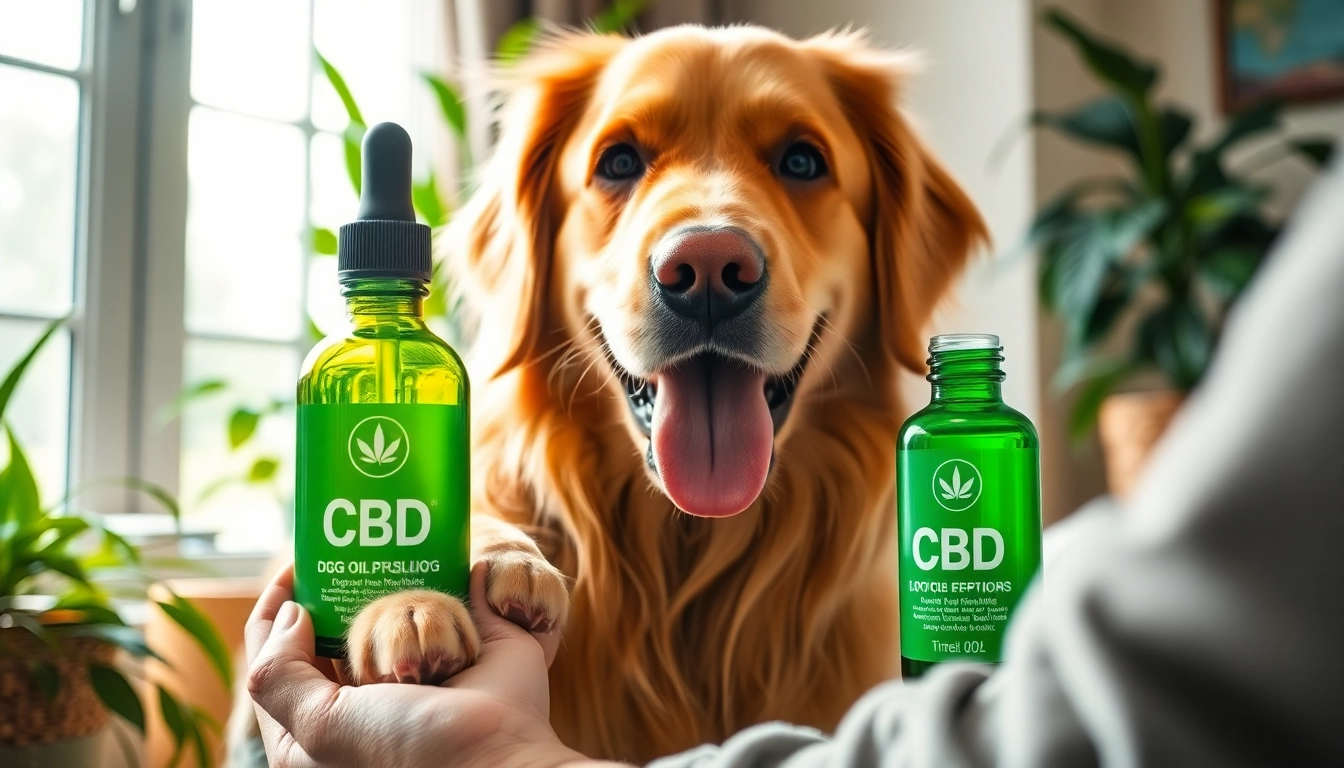
Understanding CBD Oil For Dog
As pet owners increasingly seek alternative remedies for their canine companions, one product gaining traction is CBD oil. Researchers and pet health enthusiasts alike are vocal about the potential benefits of CBD Oil For Dog, leading to growing interest among dog owners. But what is CBD, and why is it making waves in the pet care industry?
What is CBD and How Does it Work?
Cannabidiol (CBD) is one of over 100 compounds derived from the hemp plant. Unlike tetrahydrocannabinol (THC), CBD is non-psychoactive, meaning it won’t cause any “high” associated with marijuana use. CBD interacts with the endocannabinoid system in both humans and dogs. This system consists of a network of receptors involved in regulating various bodily functions, including pain, mood, appetite, and immune response.
When CBD is administered, it binds to cannabinoid receptors in the body, particularly CB1 and CB2 receptors, influencing the way these receptors relay signals throughout the central nervous and peripheral nervous systems. This mechanism is what allows CBD to potentially promote improved well-being and balance in dogs.
Differences Between CBD Oil and Other CBD Products
While CBD oil is perhaps the most recognized form of cannabinoid supplementation, other products like CBD treats, capsules, and topical applications also exist. The primary difference lies in the method of administration and the speed at which the effects take place. CBD oil, for instance, allows for quick absorption when administered sublingually (under the tongue), while treats may take longer to produce effects due to digestion processes. Each product type has its advantages and can be chosen based on individual dog needs.
Overview of CBD Oil Benefits for Dogs
The benefits of CBD oil for dogs have become a popular topic of discussion among pet owners and veterinarians alike. Collaborative studies and anecdotal evidence suggest that CBD oil may help manage conditions such as anxiety, pain, inflammation, and even seizures. In general, pet owners report improved quality of life for their dogs after introducing CBD oil into their wellness routines, with many observing noticeable changes in behavior and comfort.
Common Health Issues Treated with CBD Oil For Dog
Managing Anxiety and Stress in Dogs
Anxiety can manifest in various forms for dogs, including situational anxiety during thunderstorms, separation anxiety, or generalized anxiety disorder. The calming properties of CBD oil have shown promise in alleviating these symptoms, providing a natural remedy that minimizes reliance on prescription medications. Pet owners have reported improvements in their dogs’ behavior during stressful situations after consistent use of CBD oil.
Relieving Pain and Inflammation
Pain management is another vital application of CBD oil for dogs. Canines suffering from arthritis, injury, or surgical recovery benefit from the anti-inflammatory properties attributed to CBD. This holistic approach offers many dog owners an alternative to traditional pain medication, which often carries side effects problematic for long-term use. By using CBD oil, pet owners may find a practical solution for their dogs’ discomfort.
Enhancing Mobility in Aging Dogs
As dogs age, mobility issues often arise due to deteriorating joints and muscles. CBD oil may help enhance mobility and flexibility by reducing inflammation and promoting better blood circulation. Many older dogs exhibit increased energy and improved activity levels when given CBD oil as part of their daily regimen, ultimately leading to better overall health and happiness.
Choosing the Right CBD Oil For Dog
Identifying Quality CBD Products
Not all CBD products are created equal. When selecting CBD oil for dogs, it’s crucial to look for products that are transparent about their sourcing and manufacturing practices. This includes checking for third-party lab testing to ensure purity and potency, as well as confirming the absence of harmful substances like heavy metals or pesticides. Products should be derived from high-quality, organic hemp to maximize benefits for your canine companion.
Understanding Concentration and Dosage
Dosage can vary significantly depending on your dog’s size, weight, and the specific health issue being addressed. A general guideline for dosing CBD oil is to start low and go slow, gradually increasing the amount until the desired effect is achieved. Consultation with a veterinarian familiar with CBD use is advisable to ascertain proper dosage for your individual dog. Many products come with recommended dosages; however, personalized approaches are often necessary for optimal efficacy.
Best Practices for Selecting CBD Brands
When looking for the best CBD oil, prioritize brands that offer transparency, customer service, and education about their products. Reputable businesses provide detailed information about their extraction methods, sourcing, and ingredient lists. Customer reviews can also offer insights into effectiveness and palatability, ensuring you choose a product your dog will enjoy.
Administering CBD Oil For Dog
Different Methods of Administration
There are several methods for administering CBD oil to dogs. The most common approach is through direct oral administration, where you can place the oil directly into your dog’s mouth or mix it into their food. Some owners opt for using treats infused with CBD for a more palatable option. Topical applications can also be beneficial for localized pain relief but are less common for systemic issues.
Tips for Successful Dosage
To ensure effective dosing, monitor your dog’s response closely after starting CBD oil. Initially providing a lower dose and gradually increasing it while observing any changes will help identify the most effective amount without overwhelming your dog. Having a consistent routine can aid in assessing the impact of the CBD over time. Keep a log of behavior, activity levels, and any potential side effects for reference during vet consultations.
Monitoring Your Dog’s Response to CBD
When introducing CBD oil, it’s essential to evaluate your dog’s behavior, mobility, and overall demeanor. Look for improvements in anxiety levels, pain reduction, or increased energy. Regular check-ins with a veterinarian will also help assess the effectiveness of the treatment, allowing for adjustments if necessary.
Legal Considerations and Safety for Using CBD Oil For Dog
Understanding Regulations Around CBD
The legal landscape surrounding CBD oil can vary by location. In many regions, CBD derived from hemp is legal, while products containing higher levels of THC may not be permissible. It’s imperative to stay informed about the regulations concerning CBD products in your area, as this can affect the availability and legality of specific items.
Consulting Your Veterinarian
Engaging with your veterinarian before starting your dog on CBD oil is a critical step. A knowledgeable veterinarian can guide you through potential benefits, advise on safety, and help establish an effective dosing plan tailored specifically for your dog’s health needs and condition.
Potential Side Effects and Myths
While CBD oil is generally considered safe for dogs, some side effects can occur, including drowsiness, diarrhea, or changes in appetite. Understanding these potential side effects and differentiating facts from myths surrounding CBD use will help you make informed decisions for your dog’s health. Ongoing research continues to illuminate the benefits and limitations of CBD, ensuring that pet owners can rely on scientific information rather than anecdotal claims.