
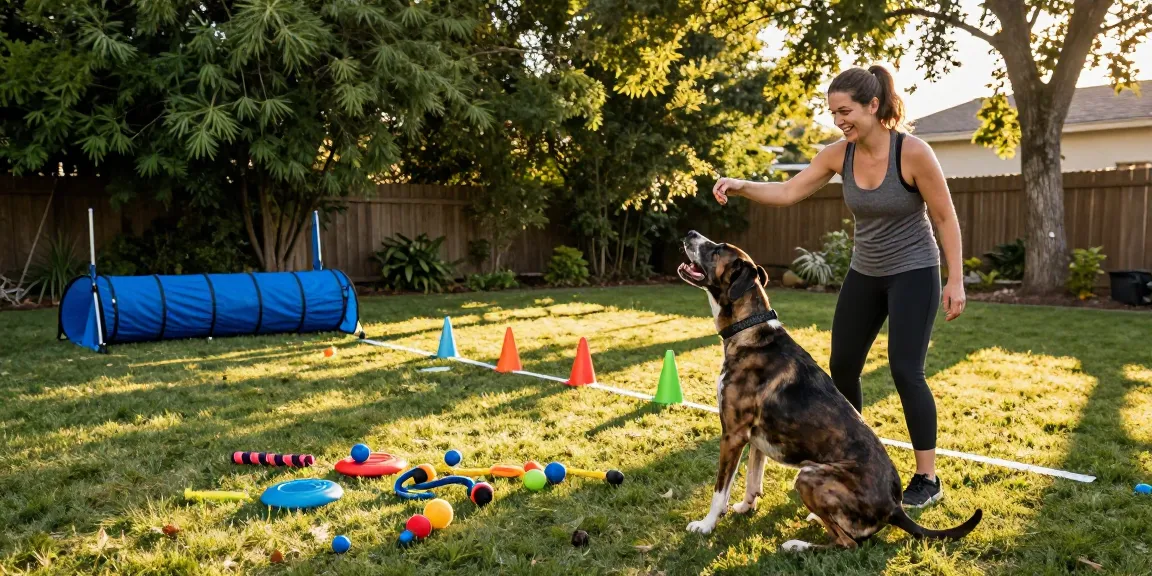
Understanding Dog Training Basics
Successful dog training is an integral aspect of responsible pet ownership, fostering not only effective communication between you and your canine companion but also enhancing their social skills and behavior. The foundation of any training approach begins with a clear understanding of the principles that guide the learning process. By delving into dog training basics, you can create a positive environment that promotes learning and strengthens your bond. Whether you’re a novice trainer or looking to refine your skills, this guide will help you navigate the essential concepts of dog training. When exploring options, click here to discover more insights into successful training techniques.
What is Positive Reinforcement?
Positive reinforcement is a powerful training method that encourages desirable behaviors by rewarding your dog for performing them. This approach is widely regarded as effective because it promotes a positive learning environment where the dog associates good behavior with rewards, such as treats, praise, or playtime. For instance, when your dog sits on command and receives a treat, they learn to connect the action of sitting with positive outcomes. This method not only strengthens your bond but also builds your dog’s confidence, making them more eager to learn and engage.
Common Training Methods Explained
Aside from positive reinforcement, several other training methods play crucial roles in dog training. Some of the most common include:
- Clicker Training: This technique uses a clicker as a sound cue to mark desirable behavior, followed by a reward. It provides clear communication and timing, making it easier for the dog to understand what behavior is being rewarded.
- Leash Training: Teaching your dog to walk calmly on a leash involves consistency and patience. It helps establish routine and discipline while promoting good behavior during outings.
- Alpha Training: This method revolves around establishing yourself as the leader of the pack. It typically involves setting rules, boundaries, and limitations on your dog’s behavior, ensuring they recognize your authority.
Building a Strong Bond with Your Dog
Developing a strong bond with your dog is essential for effective training. This relationship is fostered through trust, respect, and understanding. Spend quality time with your dog, engage in play, and be attentive to their needs. Incorporating training as a fun activity reinforces the bond between you and your pet, enhancing their willingness to obey commands and learn new behaviors.
Choosing the Right Training Equipment
Essential Gear for Your Training Sessions
Having the right training equipment can make a significant difference in your dog training journey. Essential gear may include:
- Collars and Leashes: Choose a comfortable collar that fits well and a sturdy leash that allows for control during training.
- Training Treats: Small, soft, and flavorful treats are ideal for rewarding your dog during training sessions.
- Clicker: A training clicker can help mark desired behaviors and improve communication between you and your dog.
Clicker Training: Tools and Tips
Clicker training is a method that relies on a small handheld device that makes a distinct sound. Here are some tips for effective clicker training:
- Always have treats ready to reward your dog immediately after clicking.
- Use the clicker consistently to reinforce good behavior.
- Pair the sound of the clicker with a verbal command to help your dog understand your expectations.
Harnesses vs. Collars: What You Need to Know
Choosing between a harness and a collar can impact your dog’s training and comfort. Harnesses are generally recommended for dogs that pull on the leash, as they distribute pressure across the dog’s body, reducing strain on the neck. Collars, on the other hand, are suitable for basic identification and are effective for dogs who do not pull. Understanding your dog’s unique behaviors will aid in selecting the correct equipment for training.
Tackling Common Training Challenges
Dealing with Distractions During Training
Distractions can hamper training sessions, leading to frustration for both the trainer and the dog. To minimize distractions:
- Choose a quiet training environment initially, gradually increasing the level of distractions as your dog improves.
- Use high-value treats to capture your dog’s attention.
- Practice commands frequently in different environments to help your dog generalize behavior.
Addressing Behavioral Issues Effectively
Behavioral issues such as barking, chewing, or aggression can complicate training. It’s essential to identify the root cause of these behaviors. For example, excessive barking might arise from boredom or lack of exercise. Addressing the underlying issue through proper training techniques can lead to long-lasting behavior improvements.
Consistency: Key to Successful Training
Consistency in commands, training times, and rewards is vital for successful dog training. Establish a routine and be firm with your commands. An inconsistency can confuse your dog, leading to slower learning and frustration. All family members should be on the same page regarding commands and expectations to provide a unified training approach.
Advanced Techniques for Dog Training
Teaching Commands Beyond the Basics
Once your dog has mastered basic commands, consider advancing their training with more complex commands like “roll over,” “play dead,” or even agility commands for obstacle courses. This not only keeps training engaging but also challenges your dog’s intelligence, keeping them mentally stimulated.
Agility Training: Starting Your Journey
Agility training involves teaching your dog to navigate obstacle courses, promoting physical fitness and mental sharpness. Begin with simple jumps and tunnels before progressing to more complex obstacles. Agility training can create a deeper bond between you and your dog while enhancing their ability to follow commands in a fun, interactive way.
Socializing Your Dog with Other Pets
Socialization is essential for a well-rounded dog. Expose your dog to various people, environments, and other animals to help them learn appropriate behavior in different situations. Socialization should be a gradual and positive experience to prevent your dog from becoming anxious or aggressive.
Future Trends in Dog Training
Technology’s Role in Modern Training Methods
As technology continues to evolve, so does dog training. Innovations like training apps that offer interactive tutorials, online courses, and virtual trainers are becoming commonplace. These resources make it easier for owners to access training materials and receive guidance regardless of their location.
Behavioral Insights from Recent Research
Recent research in canine behavior has shed light on how dogs learn and understand commands. Insights into canine psychology are helping trainers develop more effective training methods that align with natural canine behavior.
What to Expect in Dog Training by 2026
Looking forward, the landscape of dog training is likely to change significantly. We can expect an increased focus on positive reinforcement methods, coupled with an understanding of emotional intelligence in dogs. Moreover, as more pet owners turn to professional trainers, the demand for specialized training programs will grow, catering to a variety of needs from basic obedience to therapy and service dog training.
What are the benefits of positive reinforcement?
Positive reinforcement builds trust and encourages a positive learning atmosphere. Dogs trained using this method tend to display fewer behavioral problems and respond better to commands, leading to a harmonious relationship.
How long does it take to train a Great Dane?
The time required to train a Great Dane varies based on the dog’s age, previous training experience, and the complexity of the behaviors being taught. Generally, consistent training over several weeks will yield noticeable results.
What common mistakes do dog trainers make?
Common mistakes include inconsistency in commands, unrealistic expectations for training speed, and failing to reward desired behaviors promptly. Recognizing these pitfalls can help trainers improve their methods.
Are there online resources for dog training?
Yes, many online resources provide valuable information, from instructional videos to expert advice and community forums. Utilizing these resources can enhance your understanding and effectiveness as a trainer.
How can I tell if my dog is learning?
Signs that your dog is learning include following commands consistently, displaying eagerness during training sessions, and showing indications of understanding through body language, such as eye contact and relaxed posture.
